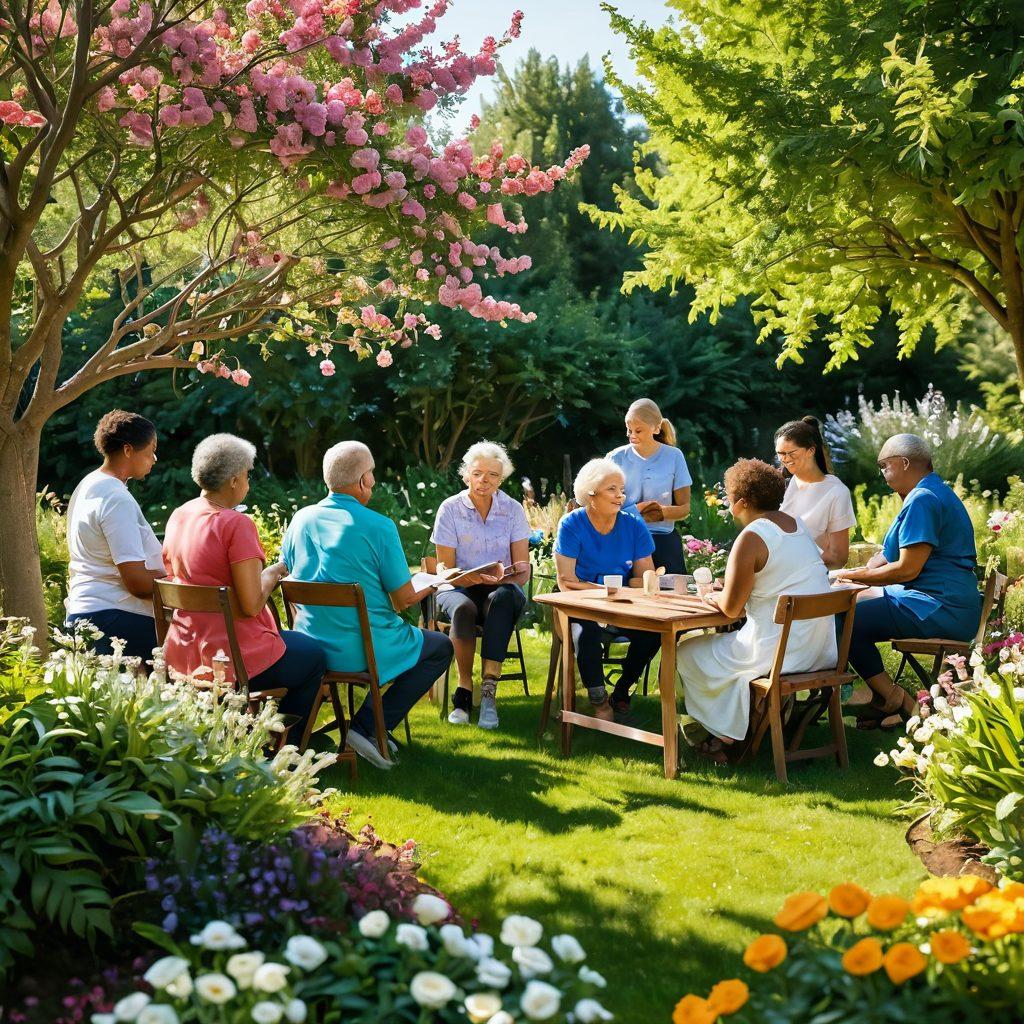
Informed & Empowered: Your Comprehensive Guide to Cancer Care and Prevention
When it comes to cancer prevention, knowledge is truly power. Whether you're navigating the waters of a recent cancer diagnosis or seeking ways to reduce your risk, understanding the landscape of oncology news can be a game-changer. The fear and uncertainty surrounding cancer can feel overwhelming, but empowering yourself with the right information can replace worry with proactive health strategies. How do we unlock the secrets of cancer prevention? By diving into the depths of health education and exploring the resources available for wellness.
Imagine sitting down with a dear friend, sharing stories about cancer, treatments like radiation therapy and immunotherapy, and supporting one another through the challenges of surviving this disease. This is the essence of community—a space where patient advocacy thrives and cancer forums flourish. In these shared experiences, we witness the strength of human resilience. From actionable health tips to relatable patient stories, this exchange not only educates but inspires hope and courage among those navigating their own health journeys.
Lifestyle changes play a pivotal role in cancer prevention, and the journey begins with conscious choices about nutrition, physical activity, and mental well-being. Maintaining a balanced diet rich in fruits and vegetables may honestly sound like a cliché, but the research studies consistently back it up. Nutrition for cancer patients is not just about surviving treatment; it’s about thriving in life. How often do we pause to evaluate our own choices? The time has come to challenge ourselves with the questions that matter: What small step can I take today to improve my health? Can I swap out that sugary snack for a handful of almonds?
As we delve deeper into the realm of cancer prevention, it’s essential to shine a light on supportive care. Being informed about palliative care, survivorship care, and caregiver support offers invaluable tools for both patients and their loved ones. Imagine the comfort in knowing that there’s not just caring for the illness but also nurturing the essence of living well beyond treatment. This is where the true magic happens—when we combine cutting-edge clinical trials and tumor information with compassion and support. What resources can we utilize in our caregiving roles to ensure that our loved ones feel empowered and understood?
In this digital age, wellness blogs and resources are at our fingertips, offering guidance, encouragement, and a wealth of information. From the latest oncology research studies to insightful chemo blogs that capture the emotional and physical aspects of cancer care, the knowledge and empathy found within these platforms are vital. Let’s engage with these tools thoughtfully and remember that by sharing our experiences—whether joy or heartache—we enrich the tapestry of our community. In the quest for cancer prevention, let us embrace our collective journey, as every tip, story, and piece of information can lead us one step closer to a healthier future.
Navigating Cancer Diagnosis and Treatment: A Patient-Centric Approach
When facing a cancer diagnosis, the emotional and psychological toll can feel overwhelming. Our lives come to a screeching halt as the word 'cancer' wraps itself around our thoughts like a thick fog. But what if we saw this moment as the start of a journey towards empowerment rather than despair? Picture this: you walk into an oncology clinic armed not only with medical knowledge but also a community of support and an array of wellness resources. That’s what navigating your cancer diagnosis and treatment can look like when you adopt a patient-centric approach.
Receiving a cancer diagnosis feels like being handed a heavy backpack filled with worry, uncertainty, and endless questions. You may be itching to dive into the latest oncology news or seeking cancer forums to share your fears and hopes with others who have walked the same path. That's perfectly normal! Remember, you are not alone. How can you channel that nervous energy into truly understanding your condition? First, educate yourself about your diagnosis. Knowledge is power! Follow reliable healthcare blogs and utilize health education resources tailored for patients to demystify key concepts like tumor information, cancer symptoms, and treatment options such as radiation therapy or immunotherapy.
As a patient, it is crucial to recognize that you have the right to advocate for yourself. Patient advocacy means ensuring your voice is heard, openly discussing your preferences, and grasping the full scope of your treatment plan. With so many approaches to cancer treatment—from chemotherapy options to palliative care—what questions should you be asking your healthcare team? Consider this: what are the expected benefits and side effects of each treatment? This proactive engagement doesn't just foster a cooperative relationship with your doctors; it instills a sense of control over your journey. Keep the dialogues fluid and encourage feedback; after all, the best approach for cancer care is always a partnership between patient and provider.
But amid the whirlwind of consultations and plans, don’t forget about yourself! The road to recovery is about embracing holistic health, which emphasizes the mind-body connection through lifestyle changes and nutrition for cancer patients. Are you focusing on your mental and physical wellbeing? Create a nurturing environment around you! Explore wellness blogs that highlight self-care techniques and delve into research studies that reveal how proper nutrition and mindfulness practices can fortify your body against the rigors of treatment. With each small change you make, you are contributing to the greater landscape of survivorship care.
Lastly, as you journey through the complexities of cancer diagnosis and treatment, remember the power of connection. Join discussions in cancer forums, share your story, and find inspiration in patient stories that resonate with your experience. Reach out for caregiver support if needed—caring for a loved one or even yourself during this time requires a robust support system. As you navigate through these turbulent waters, ask yourself: how can I build a community that bolsters both my health tips and emotional resilience? By sharing your challenges and victories, you are not just transformed; you transform others, paving the way for an empowered and informed future.
Transform Your Health Journey: Essential Insights for Survivorship and Wellness
Every cancer journey is unique, yet one common thread ties many experiences together: the quest for information. There’s a natural instinct to seek insights that can ease uncertainty – whether that’s through oncology news, support networks, or discussing health tips with peers. Transforming your health journey means tapping into these resources to cultivate resilience and empowerment. Whether you're a survivor, caregiver, or loved one, understanding the facets of survivorship care is crucial in navigating post-treatment life. Imagine standing at the crossroads where knowledge meets empowerment – which path will you choose today?
The power of patient advocacy cannot be underestimated. A diagnosis carries with it a multitude of questions, often accompanied by anxiety. You might be wondering: What are the latest advances in radiation therapy? How can immunotherapy alter the course of my recovery? Or even, what lifestyle changes will support my holistic health? Engaging with your care team and participating in cancer forums not only increases your tumor information but also aligns you with others who share your journey. Having an advocate – whether it's a friend, family member, or even a healthcare professional – allows you to face cancer symptoms head-on with clarity, transforming fear into informed action.
Nutrition for cancer patients is another vital aspect of your health journey. It’s not merely about surviving cancer; it’s about thriving after treatment. As you explore wellness resources, consider how the nourishment you provide your body plays a pivotal role in recovery. Holistic health focuses on the body as a whole, emphasizing that what you eat can aid in your healing process. Did you know that research studies link certain dietary patterns to lower recurrence rates? Picture a plate filled with colorful fruits and vegetables, whole grains, and lean proteins. What small changes could you incorporate into your daily meals to enhance your well-being?
Through the triumphs and trials of survivorship, storytelling becomes an essential tool. Each patient story adds a unique thread to the rich tapestry of lived experiences. When you read about fellow survivors or those engaged in clinical trials, you might stumble upon a bit of hope that resonates deeply. Let those narratives guide you in understanding the depth of support available – from caregiver support groups to local wellness blogs that share invaluable health education content. So the next time you’re faced with self-doubt, remember that you are not alone on this journey. In fact, by sharing your own story, you can inspire others in profound ways.
As we navigate the complexities of survivorship, we must embrace the possibility of continual growth and healing. Engage with palliative care options that prioritize quality of life, consider joining a community or wellness blog that motivates you, and remember the importance of feedback loops – reach out to providers and fellow survivors about your experiences. Let these insights create a supportive community where everyone has the opportunity to thrive. Are you ready to transform your health journey into one of empowerment and compassion? Our collective resilience can illuminate the paths for those yet to embark on theirs – let us take steps together.